%2Ffit-in%2F250x250%2Fguide_websites%2F59212%2Fimages%2F1767662910219495444195_674231005604128_1333269887571184328_n.jpg&w=1920&q=100)
/users/d4053e6f-89e2-498c-87a5-8bf65fcc6ee4/ratecard/501569724_18507389737030831_4072754164554266166_n-mk1weyv4.jpg)
%2F300x300%2Fusers%2Fd4053e6f-89e2-498c-87a5-8bf65fcc6ee4%2Fratecard%2F501569724_18507389737030831_4072754164554266166_n-mk1weyv4.jpg&w=256&q=75)
%2F300x300%2Fusers%2Fd4053e6f-89e2-498c-87a5-8bf65fcc6ee4%2Fimages%2Fredfish-landed-bradenton-2543.jpg&w=256&q=75)
%2F300x300%2Fusers%2Fd4053e6f-89e2-498c-87a5-8bf65fcc6ee4%2Fimages%2Ffishing-adventure-fl-2456.jpg&w=256&q=75)
%2F300x300%2Fusers%2Fd4053e6f-89e2-498c-87a5-8bf65fcc6ee4%2Fimages%2Fredfish-caught-florida-2402.jpg&w=256&q=75)
%2F300x300%2Fusers%2Fd4053e6f-89e2-498c-87a5-8bf65fcc6ee4%2Fimages%2Ffishing-in-bradenton-2461.jpg&w=256&q=75)
%2F300x300%2Fusers%2Fd4053e6f-89e2-498c-87a5-8bf65fcc6ee4%2Fimages%2Ffishing-adventure-florida-2460.jpg&w=256&q=75)
%2F300x300%2Fusers%2Fd4053e6f-89e2-498c-87a5-8bf65fcc6ee4%2Fimages%2Ffisherman-snook-bradenton-2455.jpg&w=256&q=75)
%2F300x300%2Fusers%2Fd4053e6f-89e2-498c-87a5-8bf65fcc6ee4%2Fimages%2Fredfish-florida-fishing-2555.jpg&w=256&q=75)
%2F300x300%2Fusers%2Fd4053e6f-89e2-498c-87a5-8bf65fcc6ee4%2Fimages%2Fredfish-caught-florida-2421.jpg&w=256&q=75)
%2F300x300%2Fusers%2Fd4053e6f-89e2-498c-87a5-8bf65fcc6ee4%2Fimages%2Fredfish-caught-florida-2361.jpg&w=256&q=75)
%2F300x300%2Fusers%2Fd4053e6f-89e2-498c-87a5-8bf65fcc6ee4%2Fimages%2Fredfish-caught-fl-2494.jpg&w=256&q=75)
Extended Half Day Inshore Tampa Bay DB Charters
What you will be catching:
 Cobia
Cobia Redfish
 Sea Trout
 Sheepshead
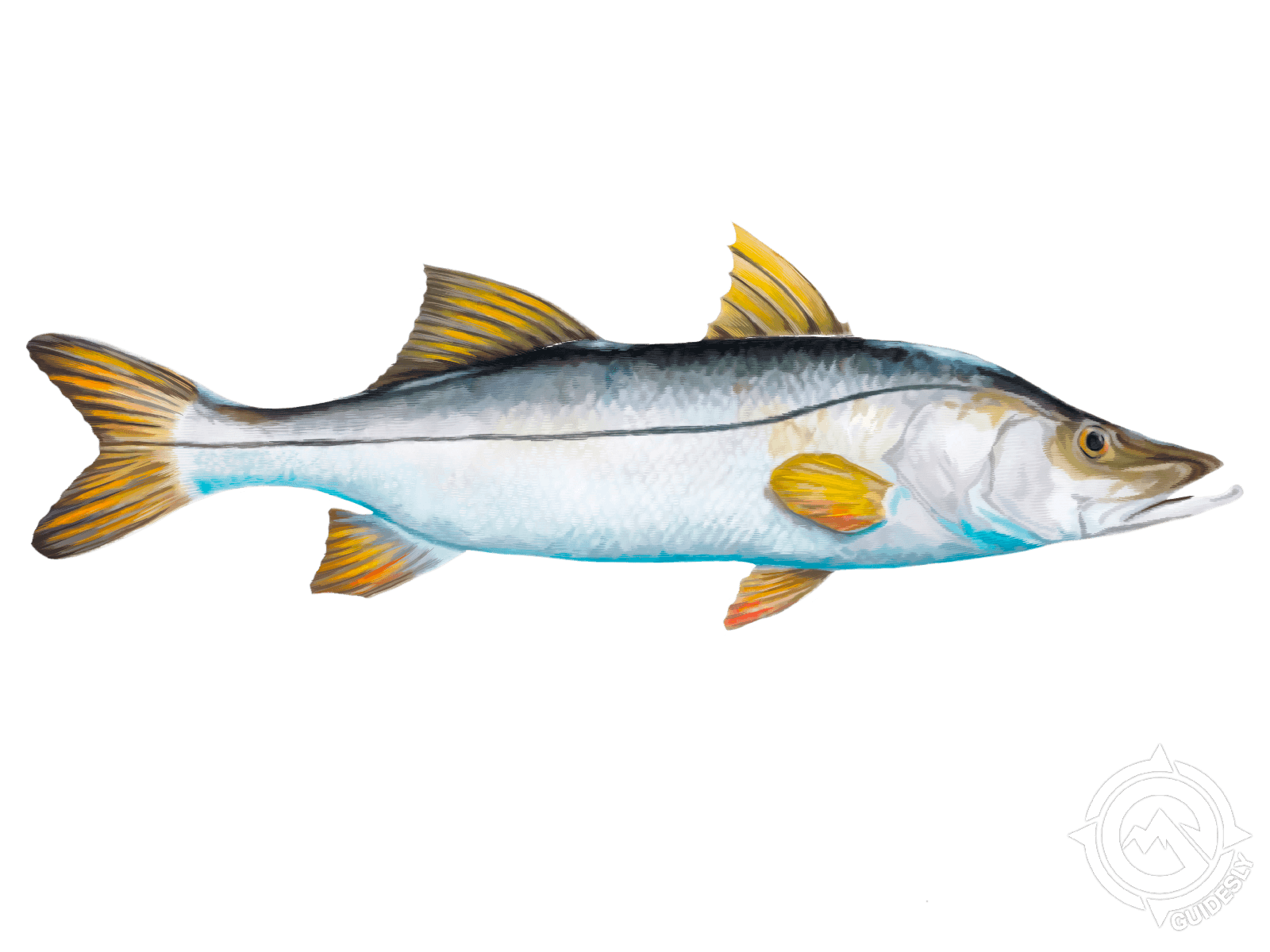
 Snook
Snook
- 6-hour guided inshore fishing targeting redfish, snook, and trout
- Captain with 20+ years local experience provides equipment and licenses
- Multiple fishing locations accessible from Bradenton and Anna Maria Island
Trip Pricing and Availabilities:
Extended Half Day Fishing Trip in Tampa Bay
Tampa Bay's inshore waters offer some of Florida's most consistent fishing, and Captain Dalton Baxter knows exactly where to find the action. With over two decades guiding these productive flats and backcountries, he's built a reputation as one of the area's most trusted captains. This extended half-day trip gives you a full six hours on the water – plenty of time to hit multiple spots, learn new techniques, and really dial in on what's biting. You'll fish from his 24-foot Seaborne FX 24, a boat that's built for these waters with its shallow draft and stable platform. The Yamaha 250 gets you to the fish fast and quiet, which makes all the difference when you're sight-fishing these clear flats.
What to Expect on the Water
Your day starts at 7:30 AM from one of several convenient launch points around Bradenton, Anna Maria Island, Holmes Beach, or Sarasota – Captain Dalton picks the spot based on conditions and where the fish have been most active. The extended format means you're not rushed. You'll spend real time learning to read the water, understanding how tides affect fish movement, and getting comfortable with different presentations. This isn't a cattle boat operation – with a maximum of four anglers, everyone gets individual attention and plenty of rod time. The captain provides all tackle and handles your fishing license, so you just need to bring yourself and maybe some snacks. The boat's equipped with everything from live bait wells to top-quality spinning and baitcasting gear. You'll likely start with some structure fishing for species like sheepshead and sea trout, then move to the flats for redfish and snook as conditions dictate.
Techniques and Tackle
Tampa Bay fishing is all about adapting to conditions, and Captain Dalton excels at reading what the fish want on any given day. You might start with live shrimp under popping corks around dock pilings and oyster bars, or switch to artificial lures when fish are actively feeding. The extended time frame allows for experimenting with different approaches – maybe some topwater action early morning, then moving to soft plastics as the sun gets higher. You'll learn proper casting techniques for different scenarios, from skipping baits under mangroves to making long casts across shallow flats. The captain carries an impressive selection of jigs, spoons, and soft baits, plus he knows exactly which live baits work best for each species. Circle hooks are standard for catch and release, and he's big on teaching proper fish handling techniques. The Seaborne's layout makes it easy to move around and get good casting angles, whether you're working the bow or fishing from the stern.
Species You'll Want to Hook
Snook are Tampa Bay's premier gamefish and the captain's personal favorite to target. These ambush predators love structure – think bridges, docks, and mangrove shorelines where they can hide and strike. They're most active during moving water, especially around dawn and dusk, though the extended trip time means you'll catch different feeding windows throughout the day. What makes snook special is their explosive strike and acrobatic fight – they'll jump, gill-rattle, and make blistering runs that test your drag system. Summer months see the biggest fish as they move toward spawning areas, while fall and spring offer more consistent action with aggressive fish.
Redfish are the bread and butter of Tampa Bay inshore fishing, and for good reason. These copper-colored bruisers are year-round residents that feed aggressively in shallow water. You'll often see them tailing in inches of water, their backs and tails breaking the surface as they root around for crabs and shrimp. The sight-fishing opportunities are world-class here, with clear water and light-colored sand bottoms making it easy to spot fish. Reds fight hard and dirty, using their broad sides to pull against you while trying to wrap you around structure. They're also excellent table fare if you decide to keep a few within the slot limit.
Sea trout might not have the glamour of snook or redfish, but they're incredibly fun to catch and often the most cooperative species in the bay. These spotted beauties love grass flats and drop-offs, where they feed heavily on shrimp and small baitfish. They're perfect for beginners because they bite readily and fight well for their size. The best action typically comes during cooler months when schools of trout stack up in deeper channels. Captain Dalton knows all the productive grass beds where you can catch them consistently on both live bait and artificials.
Sheepshead are the ultimate challenge fish – they have incredible eyesight and a mouth full of human-like teeth that can steal bait faster than you can blink. But when you hook one, you know it immediately from their powerful, head-shaking fight. These black and white striped fish love hard structure like bridge pilings, rock piles, and oyster bars. The key is using small hooks with fresh bait – fiddler crabs, sand fleas, or fresh shrimp work best. They're most active in cooler months and make excellent eating, which is why regulars specifically request trips targeting these crafty fish.
Cobia are the wild cards of Tampa Bay fishing. These brown sharks look-alikes cruise the flats and channels, often following rays and sharks while hunting for easy meals. When you spot one, it's game on – they're curious fish that will often approach the boat, giving you multiple shot opportunities. Cobia are powerful fighters that make long runs and have no problem diving under the boat or heading for structure. They're also fantastic table fare and can reach impressive sizes, with fish over 30 pounds caught regularly in these waters. Spring and fall migrations bring the best chances, but residents stick around year-round.
Time to Book Your Spot
Captain Dalton's extended half-day trips fill up fast, especially during prime fishing seasons. The six-hour format gives you the best
Learn more about the animals
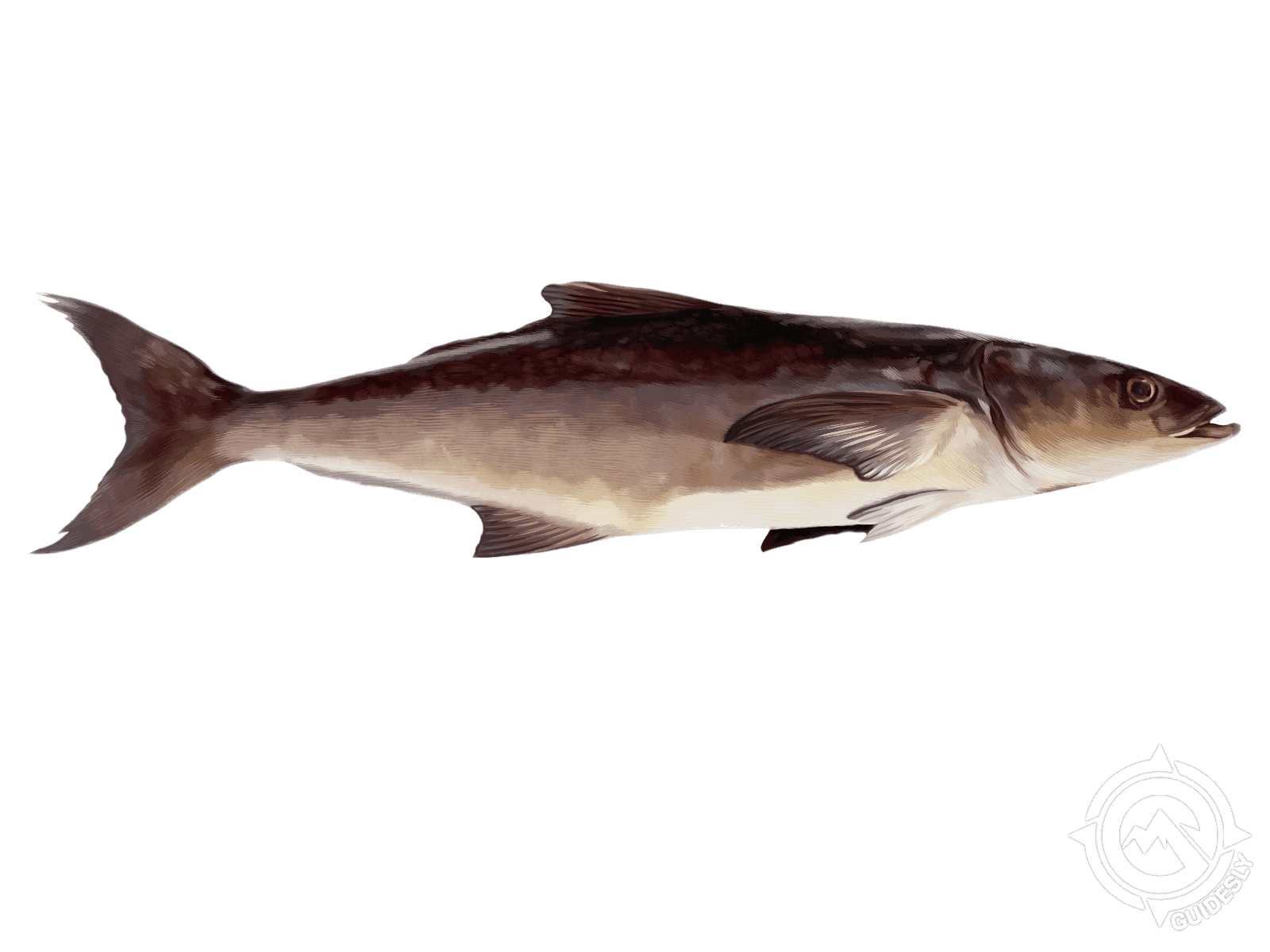
Cobia
Cobia are the sharks that aren't sharks - dark brown torpedo-shaped fish that cruise near the surface and often get mistaken for trouble until you see that single dorsal fin. These are serious fish, averaging 20-40 pounds with 6-footers pushing 100+ pounds. They're loners that hang around structure - channel markers, buoys, crab trap floats - usually in 15-50 feet of water. Spring migration from April through June is prime time in Tampa Bay when they move through following baitfish. What makes cobia special is they're curious fish that will come right up to the boat, giving you multiple shot opportunities. Plus, they're phenomenal table fare - firm, white meat that rivals any fish in the Gulf. The fight is straight power with long runs. Best tip: when you spot one, don't get excited and make bad casts. They'll often circle back, so stay calm and make that first presentation count with a bucktail jig or live crab.
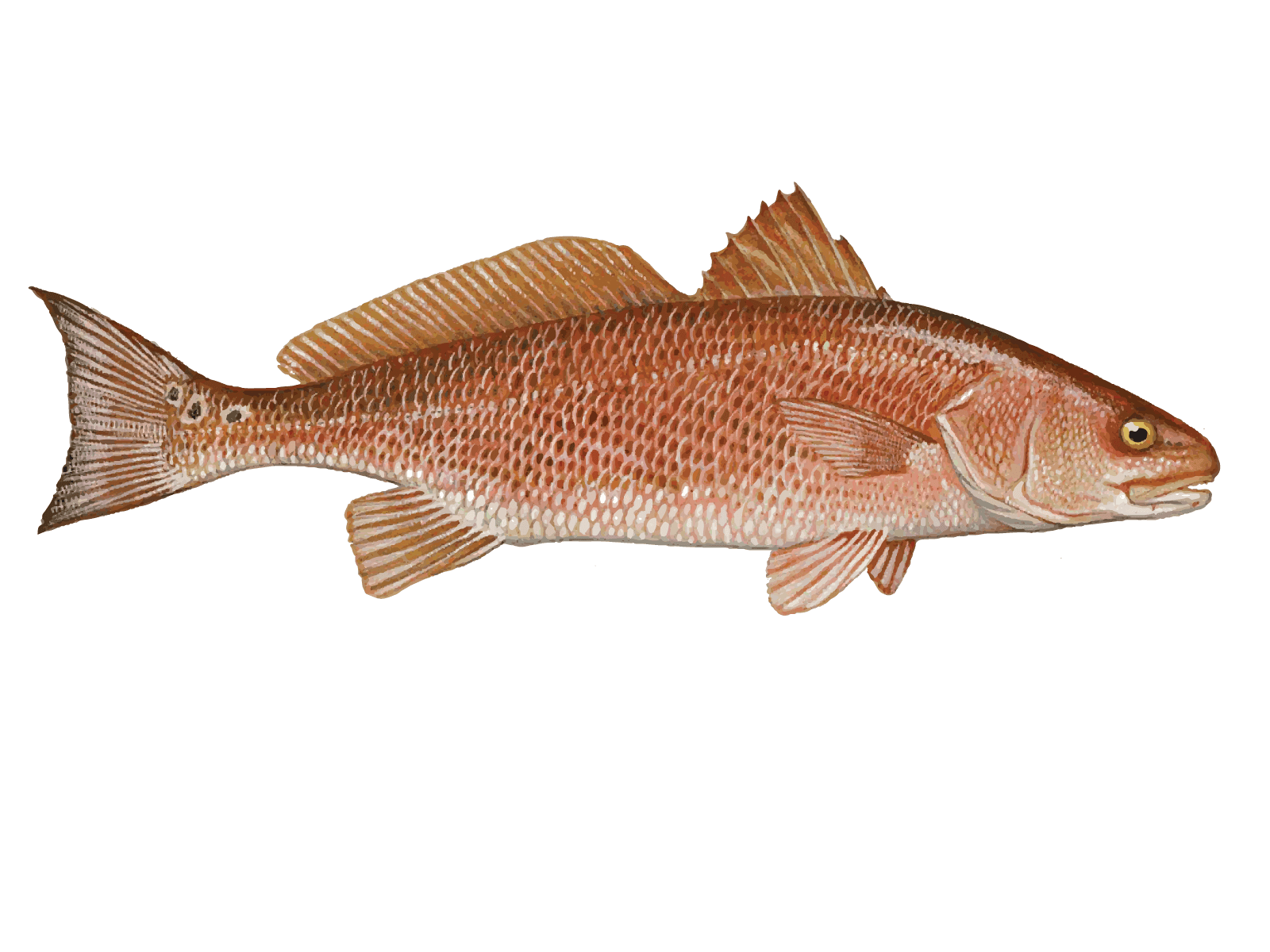
Redfish
Redfish are the copper-colored bulldogs of the flats, easily spotted by that distinctive black eyespot near their tail. In Tampa Bay, most slot fish run 18-27 inches, with oversized bulls pushing 30+ pounds in deeper water. They love super shallow flats, oyster bars, and mangrove shorelines - often in water so thin their backs break the surface. Fall and spring offer the most consistent action when they're actively feeding before and after spawning season. What guests love most is sight-fishing to tailing reds in skinny water and that powerful, stubborn fight once hooked. They're also excellent table fare with firm, sweet meat. These fish aren't picky eaters - live shrimp, cut bait, and artificials all work. My go-to trick: look for nervous water or mud trails on calm days. When you spot a red, cast well ahead of where it's heading and work your bait slowly back into its path.
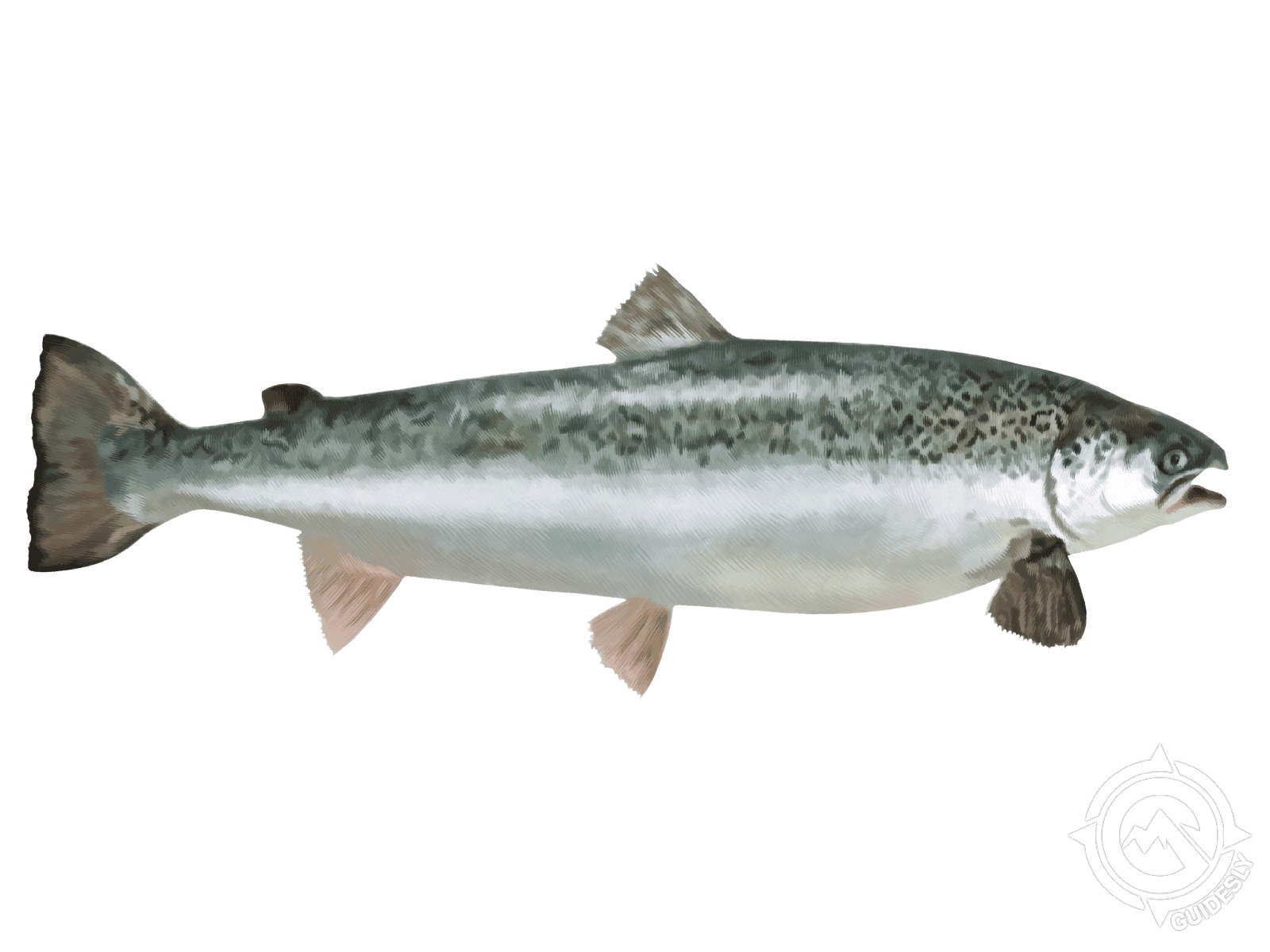
Sea Trout
Speckled trout are Tampa Bay's most reliable inshore fish, covered in black spots with that distinctive spotted pattern. Most range 14-20 inches with 1-3 pounders being common, though cold snaps can push bigger fish into deeper holes. You'll find them over grass flats in 2-8 feet of water, especially around drop-offs and potholes where baitfish gather. They bite year-round but really turn on during cooler months when they school up in deeper channels. What makes them popular is their willingness to hit both live and artificial baits, making them perfect for learning different techniques. The soft, white meat is excellent eating but delicate - don't overcook it. Night fishing under lights can be outstanding as they hunt shrimp in the shallows. Pro tip: work a soft plastic jig slowly along grass edges during moving tides. The key is keeping it just off the bottom where they're feeding.
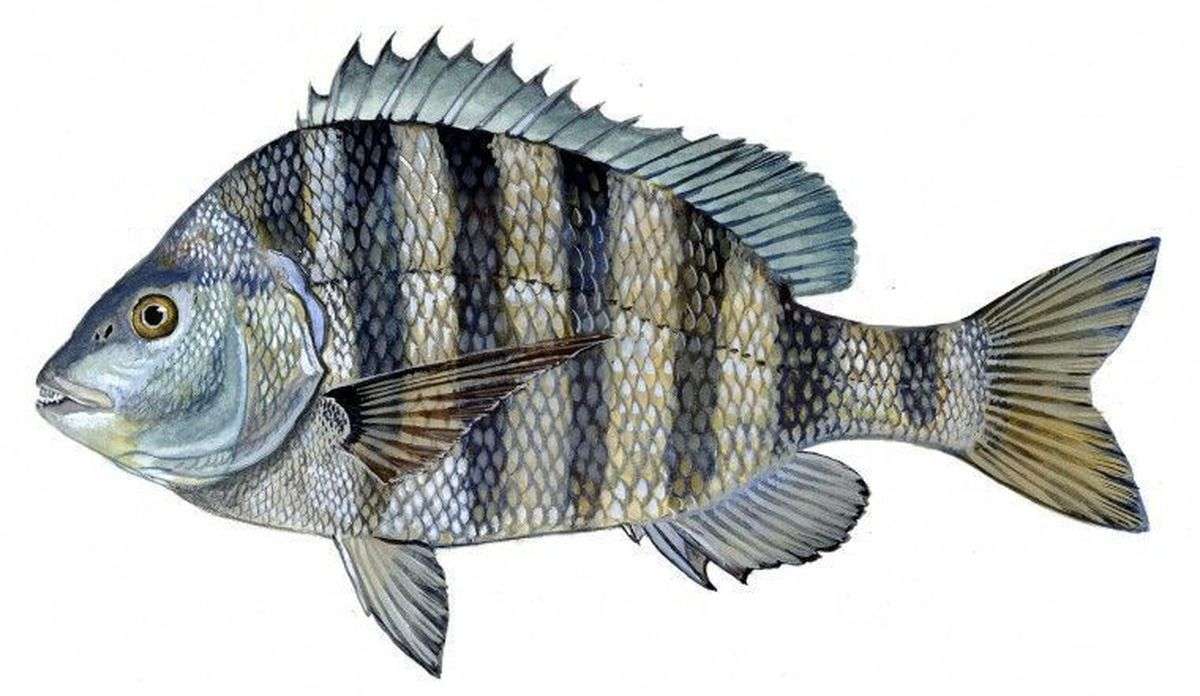
Sheepshead
Sheepshead are the "convict fish" of Tampa Bay with those distinctive black and white stripes, but what really sets them apart are their human-like teeth built for crushing barnacles and crabs. Most run 2-5 pounds and 14-18 inches, though 8-pounders show up around the deeper structure. You'll find them tight to any hard bottom - bridge pilings, docks, rock piles - in 5-20 feet of water. Spring months from February through April are prime time when they move shallow to spawn. Guests love the challenge because these fish are notorious bait thieves with light bites that require patience and quick hooksets. The payoff is some of the best eating fish in the bay - sweet, flaky white meat. Here's the key: use the smallest hook you can get away with and keep your bait pinned tight to the bottom right against structure. They rarely chase anything more than a foot away from cover.
Snook
Snook are Tampa Bay's premier inshore game fish, known for that distinctive black lateral line and golden color. These ambush predators love structure - mangroves, docks, bridges - anywhere they can hide and pounce on baitfish. Most run 18-28 inches, but trophy fish over 30 inches will test your drag system with powerful runs. They're incredibly temperature sensitive, so warmer months from May through September offer the best action, especially around new and full moons when they spawn. What makes them special is their finicky nature - they'll follow a lure five times before striking, making each hookup earned. The meat is excellent table fare with firm, white flesh. My tip: work your lure slowly along mangrove edges during moving water - snook hate fast presentations and love that tidal flow bringing them an easy meal.
About the Sea Born
%2F%2Fusers%2Fd4053e6f-89e2-498c-87a5-8bf65fcc6ee4%2Fvehicle_picture%2F635e5cad-ab39-4247-8e06-35ed08ef4317.jpg&w=1920&q=75)
Vehicle Guest Capacity: 6
Manufacturer Name: yamaha
Maximum Cruising Speed: 40
Number of Engines: 1
Horsepower per Engine: 250