%2Ffit-in%2F250x250%2Fguide_websites%2F59212%2Fimages%2F1767662910219495444195_674231005604128_1333269887571184328_n.jpg&w=1920&q=100)
/users/d4053e6f-89e2-498c-87a5-8bf65fcc6ee4/ratecard/472713141_584079777952585_466180302262108910_n-mk1wxhof.jpg)
%2F300x300%2Fusers%2Fd4053e6f-89e2-498c-87a5-8bf65fcc6ee4%2Fratecard%2F472713141_584079777952585_466180302262108910_n-mk1wxhof.jpg&w=256&q=75)
%2F300x300%2Fusers%2Fd4053e6f-89e2-498c-87a5-8bf65fcc6ee4%2Fimages%2Fredfish-landed-bradenton-2543.jpg&w=256&q=75)
%2F300x300%2Fusers%2Fd4053e6f-89e2-498c-87a5-8bf65fcc6ee4%2Fimages%2Ffishing-adventure-fl-2456.jpg&w=256&q=75)
%2F300x300%2Fusers%2Fd4053e6f-89e2-498c-87a5-8bf65fcc6ee4%2Fimages%2Fredfish-caught-florida-2402.jpg&w=256&q=75)
%2F300x300%2Fusers%2Fd4053e6f-89e2-498c-87a5-8bf65fcc6ee4%2Fimages%2Ffishing-in-bradenton-2461.jpg&w=256&q=75)
%2F300x300%2Fusers%2Fd4053e6f-89e2-498c-87a5-8bf65fcc6ee4%2Fimages%2Ffishing-adventure-florida-2460.jpg&w=256&q=75)
%2F300x300%2Fusers%2Fd4053e6f-89e2-498c-87a5-8bf65fcc6ee4%2Fimages%2Ffisherman-snook-bradenton-2455.jpg&w=256&q=75)
%2F300x300%2Fusers%2Fd4053e6f-89e2-498c-87a5-8bf65fcc6ee4%2Fimages%2Fredfish-florida-fishing-2555.jpg&w=256&q=75)
%2F300x300%2Fusers%2Fd4053e6f-89e2-498c-87a5-8bf65fcc6ee4%2Fimages%2Fredfish-caught-florida-2421.jpg&w=256&q=75)
%2F300x300%2Fusers%2Fd4053e6f-89e2-498c-87a5-8bf65fcc6ee4%2Fimages%2Fredfish-caught-florida-2361.jpg&w=256&q=75)
%2F300x300%2Fusers%2Fd4053e6f-89e2-498c-87a5-8bf65fcc6ee4%2Fimages%2Fredfish-caught-fl-2494.jpg&w=256&q=75)
Family Inshore Fishing Tampa Bay DB Charters
What you will be catching:
 Cobia
Cobia Redfish
 Sea Trout
 Sheepshead
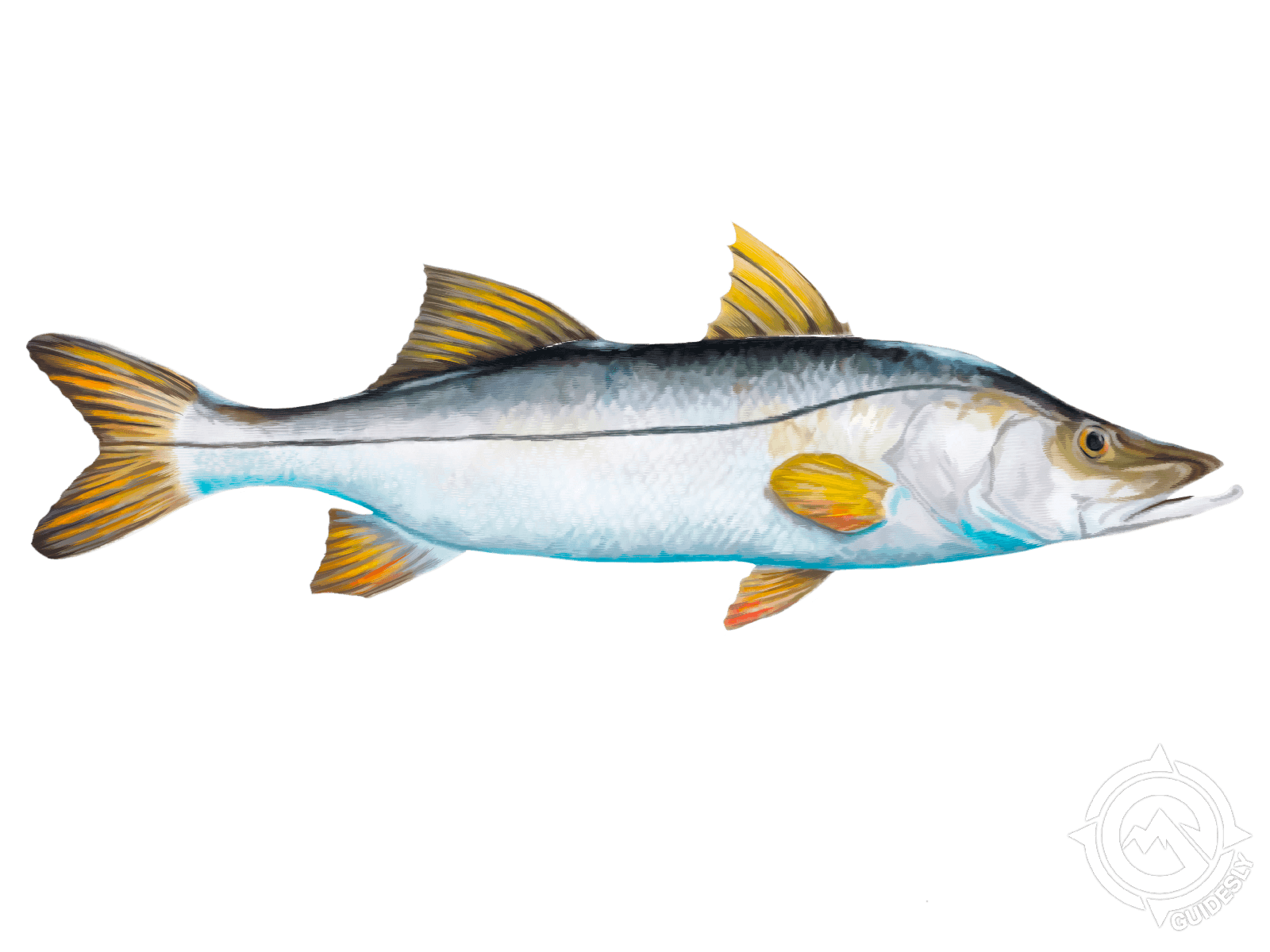
 Snook
Snook
- Expert captain with 20+ years Tampa Bay fishing experience
- Four-hour inshore trips accommodate up to 4 guests comfortably
- All fishing gear and licenses included with early morning departure
Trip Pricing and Availabilities:
Family-Friendly Fishing Trip in Tampa Bay
Looking for a fishing adventure the whole family can enjoy? Captain Dalton Baxter's private family trips in Tampa Bay deliver exactly that. With over 20 years of guiding experience, Dalton knows how to keep everyone engaged - from first-time anglers to seasoned parents wanting to share their passion with the kids. This 4-hour inshore adventure runs aboard his 24-foot Seaborne FX 24, a stable platform that handles Tampa Bay's waters with ease. The Yamaha 250 gets you to the fish quickly and quietly, while the spacious deck gives everyone room to cast without tangling lines. Starting at 7:30 AM, you'll have multiple departure points to choose from - Bradenton, Anna Maria Island, Holmes Beach, or Sarasota - making it convenient no matter where you're staying.
What to Expect on the Water
Captain Dalton creates a relaxed atmosphere where learning happens naturally. He'll adjust his teaching style based on each family member's skill level, ensuring nobody feels left out or overwhelmed. The morning start time is perfect for families - cooler temperatures, calmer waters, and more active fish make for comfortable conditions all around. Your group of up to four gets the boat to yourselves, so there's no pressure from other anglers or rushing to accommodate strangers. Fishing licenses and all tackle are included, so you can focus on the fun instead of logistics. The captain provides everything from rods and reels to bait and terminal tackle, all sized appropriately for different ages and abilities. Expect plenty of hands-on instruction, from proper casting techniques to reading the water and understanding fish behavior. Dalton's patient approach means even the youngest anglers will feel confident by the end of the trip.
Techniques & Tackle
Inshore fishing in Tampa Bay revolves around light tackle techniques that work perfectly for families. You'll primarily use spinning gear loaded with 15-20 pound braided line - strong enough to handle good fish but light enough for kids to manage comfortably. Live bait is king here, with shrimp being the go-to choice for most situations. Captain Dalton will show you how to properly hook and present live shrimp, a skill that translates to success anywhere along the Gulf Coast. Artificial lures play a big role too, especially soft plastics rigged on jig heads. These allow for active fishing when the bite slows down and give everyone a chance to work different areas. The shallow grass flats, oyster bars, and mangrove shorelines of Tampa Bay require precise boat positioning and quiet presentations. Dalton uses his trolling motor to keep you in the strike zone without spooking fish. You'll learn to read structure on the fish finder, understand tidal movements, and recognize the subtle signs that indicate feeding fish nearby.
Top Catches This Season
Snook are the marquee species in Tampa Bay, and for good reason. These silver-sided fighters average 18-28 inches and provide heart-stopping action when they slam a live shrimp or jig. Snook are ambush predators that lurk around mangrove roots, dock pilings, and bridge structures. They're most active during moving water, especially the first two hours of an incoming tide. What makes snook special is their explosive strike and aerial displays - they'll jump multiple times trying to throw the hook. Kids absolutely love the visual excitement, while parents appreciate the technical challenge of getting them out of heavy cover.
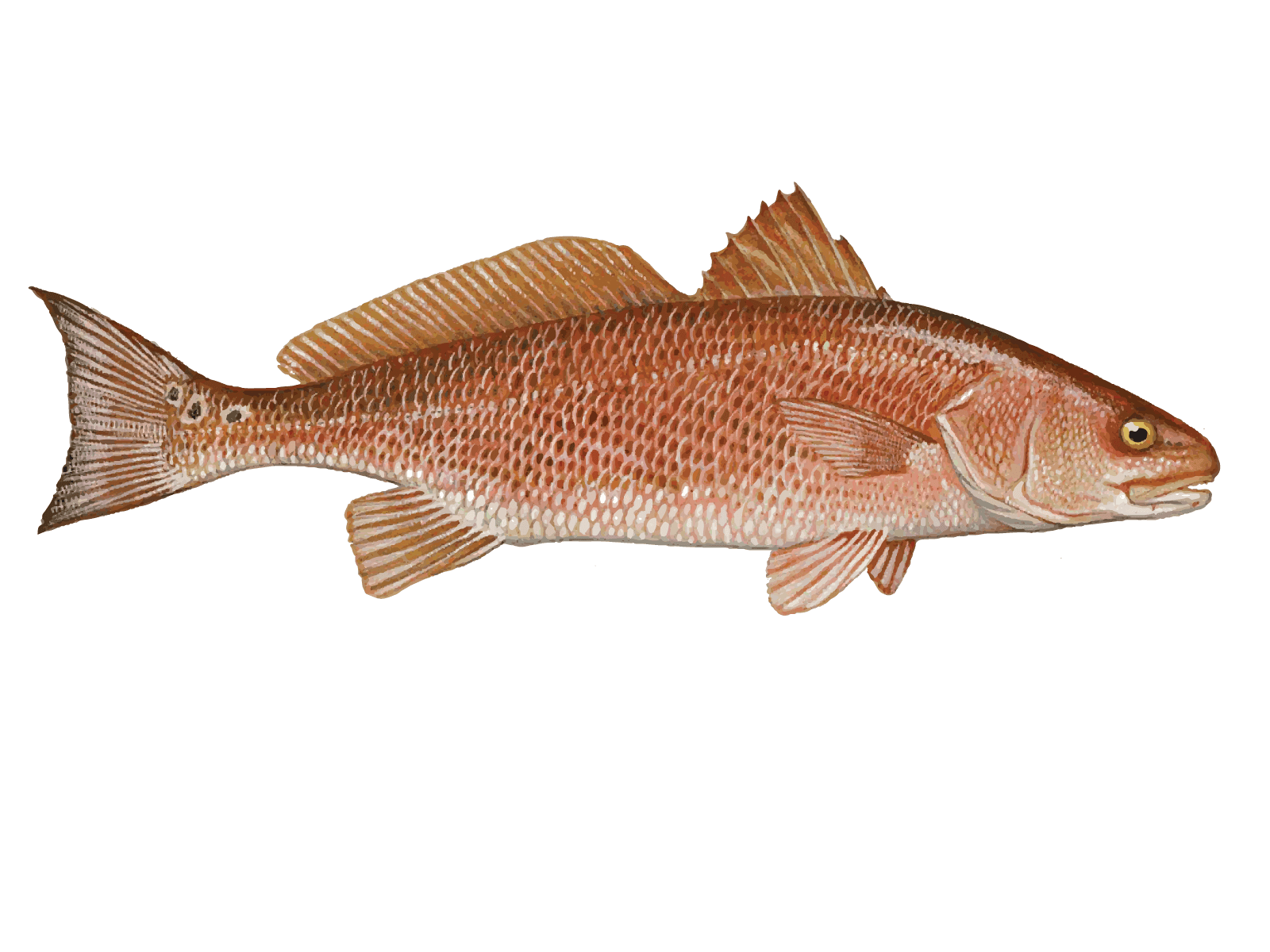
Redfish offer a completely different but equally rewarding experience. These copper-colored bruisers range from 16-30 inches in Tampa Bay waters and are known for their bulldogging fights. Unlike snook, reds prefer open grass flats and oyster bars where they root around for crabs and small fish. They're sight-fishing targets when conditions are right, creating opportunities to watch the fish eat your bait. Redfish are also more forgiving of imperfect presentations, making them ideal confidence builders for new anglers. Their slot limit ensures you're keeping quality fish while supporting the fishery's future.
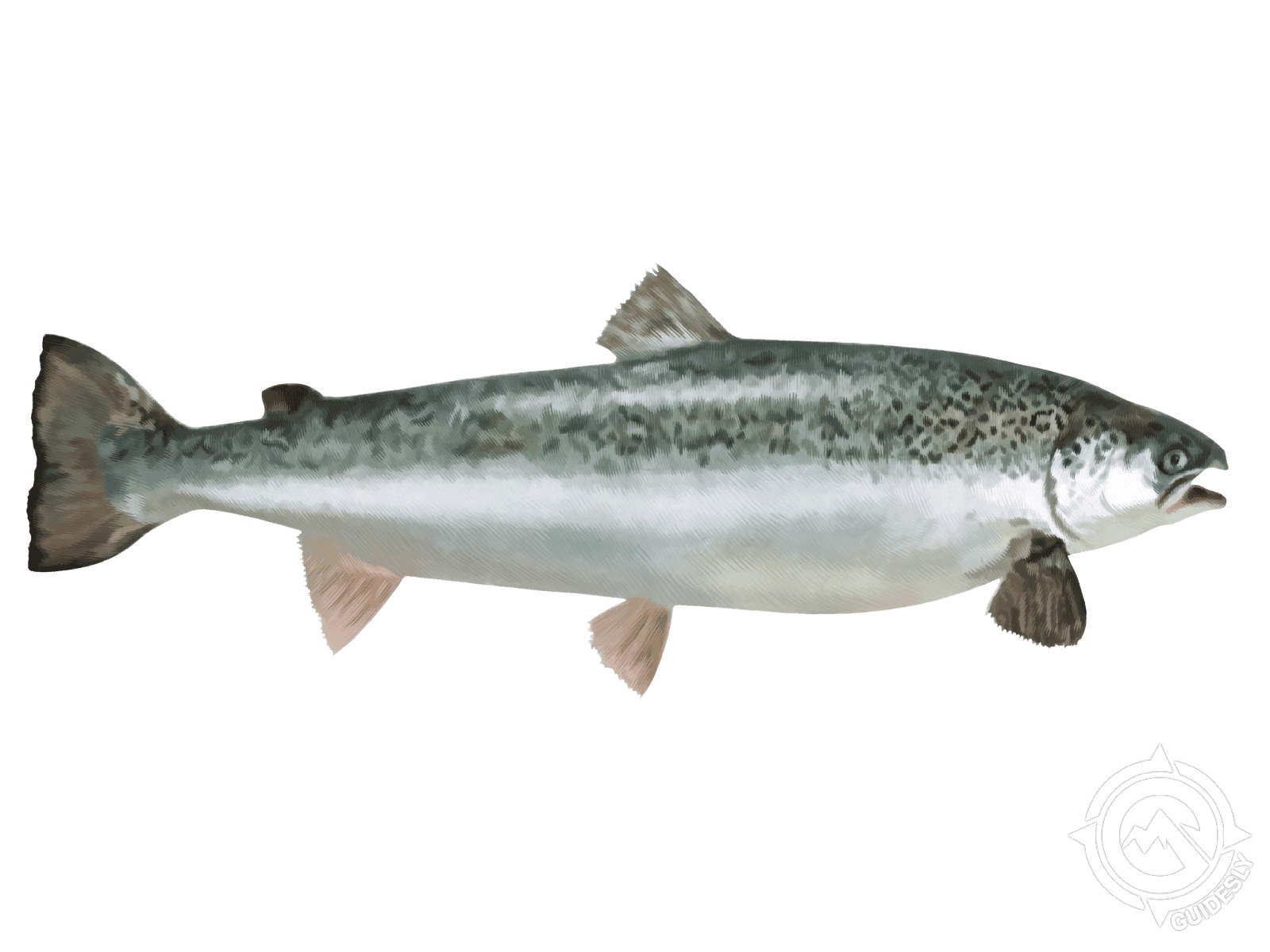
Sea trout are the bread-and-butter species that keep rods bent when other fish aren't cooperating. These spotted beauties school up over grass beds and are suckers for a well-presented jig or live shrimp. Trout average 12-18 inches with occasional fish pushing 20-plus inches. They bite consistently throughout the year but really turn on during cooler months. What families love about trout fishing is the steady action - you might catch a dozen in an hour when you find a good school. They're also excellent table fare, making them popular keepers for the dinner plate.
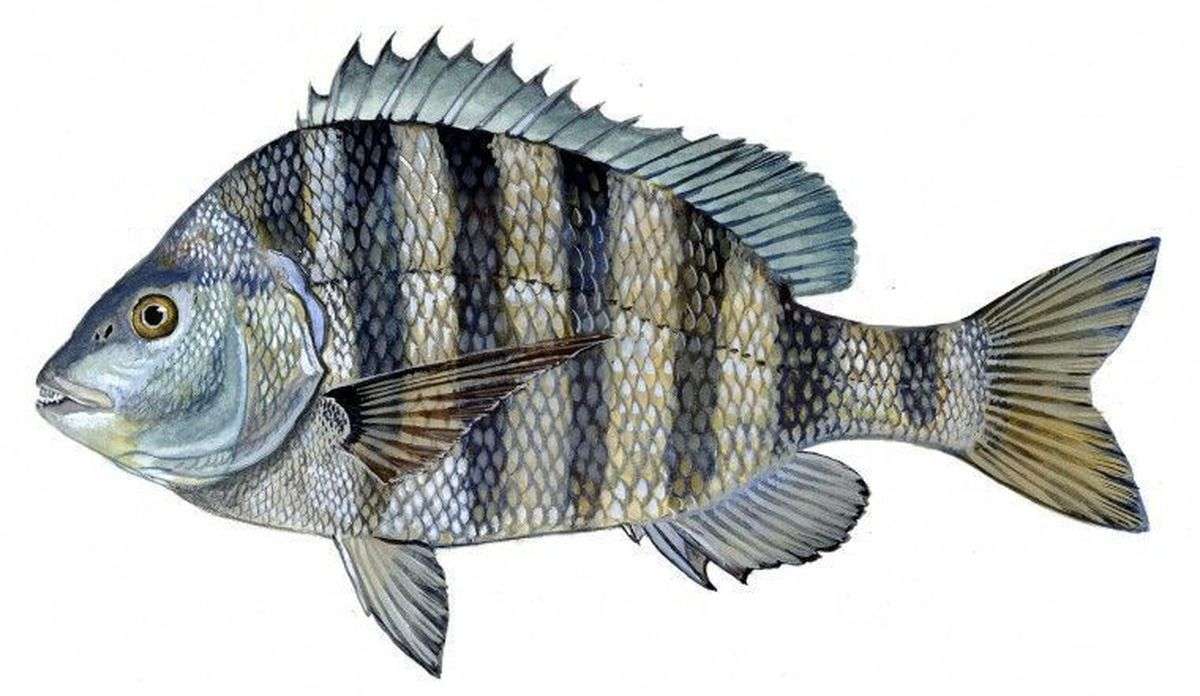
Sheepshead are the technical challenge that gets experienced anglers excited. These black-and-white striped fish have human-like teeth designed for crushing shellfish, which makes them notorious bait stealers. They hang around structure like dock pilings, bridges, and oyster bars. Catching sheepshead requires patience, sensitivity, and quick reflexes - skills that develop with practice. When you finally connect with a good sheepshead, their powerful runs and head-shaking fights are incredibly satisfying. Plus, they're considered some of the best eating fish in the bay.
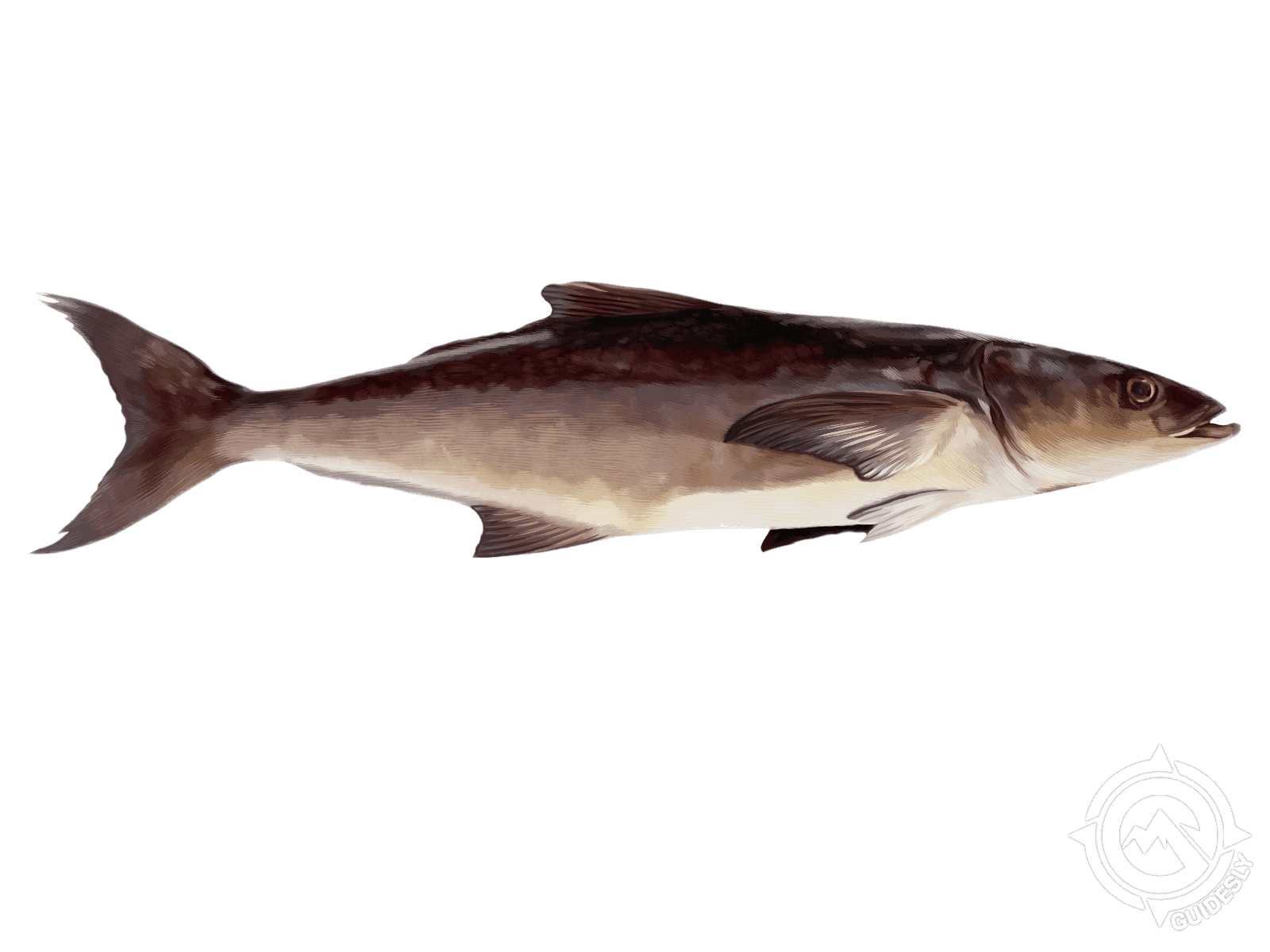
Cobia are the bonus fish that can show up anywhere and turn a good day into a great one. These brown sharks-lookalikes cruise the flats and channels, often following rays and sharks looking for stirred-up prey. Cobia average 25-40 inches in Tampa Bay and fight like freight trains. They're curious fish that will often approach the boat, creating sight-fishing opportunities that get everyone's adrenaline pumping. Landing a cobia requires teamwork - someone to drive the boat, someone to cast, and everyone to stay calm during the fight.
Time to Book Your Spot
Captain Dalton's family-friendly approach has made him a customer favorite among Tampa Bay guides. His 20-plus years of experience shows in every aspect of the trip, from finding fish to creating
Learn more about the species
Cobia
Cobia are Tampa Bay's brown sharks that aren't sharks - these solitary hunters average 30-50 pounds and can hit 6 feet long with that distinctive single dorsal fin. You'll spot them cruising alone near buoys, channel markers, and structure in 15-60 feet of water during spring and summer migrations. What gets guests excited about cobia is their size and fight - they're strong, aggressive fish that'll test your tackle and stamina. Plus, they're outstanding table fare with firm, white meat that rivals any offshore catch. The challenge is finding them since they don't school up like other species. My go-to technique is sight fishing with bucktail jigs around markers and structures. When you see that dark shadow cruising just under the surface, make your cast count - you might not get another shot at one that size.
Redfish
Redfish are Tampa Bay's signature copper-colored fighters, averaging 20-30 inches with that distinctive black spot near the tail. They cruise shallow flats, oyster bars, and mangrove shorelines in just 1-4 feet of water - sometimes so shallow their backs show above the surface. Year-round fishing is solid, but fall brings the best action when they school up. What makes redfish special for families is their aggressive strikes and bulldog fights that'll get everyone's adrenaline pumping. They're also fantastic eating with mild, sweet meat. These fish aren't picky eaters but love live shrimp and cut bait. The money tip for Tampa Bay reds is to look for nervous water or tailing fish on the flats during moving tides. Approach quietly, cast beyond them, and work your bait slowly back through their path.
Sea Trout
Sea trout, or speckled trout, are Tampa Bay staples that run 14-20 inches with beautiful spotted sides and a soft mouth you need to respect. They love grass flats and shallow bays, especially during early morning and evening hours when they're actively feeding on shrimp and small baitfish. Spring and fall offer consistent action, but summer nights can be dynamite. Families enjoy trout because they're aggressive biters and great for kids to learn on - plus they make excellent table fare with delicate, flaky white meat. These fish school up, so when you find one, you'll usually find more. The secret is using light tackle and soft plastics or live shrimp under a popping cork. Work those grass flats slowly and listen for that telltale popping sound - that's dinner calling.
Sheepshead
Sheepshead are Tampa Bay's convict fish with those black and white stripes, running 2-6 pounds typically around docks, bridges, and any structure with barnacles. They're year-round residents but bite best in cooler months when they school up. What families love about sheepshead is their willingness to bite and those famous human-like teeth that always get a reaction from kids. Plus, they're some of the best eating fish we catch - sweet, white meat that's hard to beat. These guys are notorious bait thieves though, so you need to stay alert and set the hook hard when you feel that subtle tap. My best local tip: use fiddler crabs or shrimp, keep your bait tight to structure, and don't hesitate when you feel them picking at it - they'll clean your hook in seconds if you wait too long.
Snook
Snook are one of Tampa Bay's premier inshore targets, running 18-28 inches on average with that signature black lateral line and golden color. These ambush predators love hanging around mangroves, docks, and creek mouths in shallow water, especially during moving tides. Spring through fall offers the best action when they're most active. What makes snook special is their explosive strike and strong runs - they'll test your drag and jump when hooked. They're also excellent table fare with white, flaky meat. The key trick here is getting your bait right up against structure where they hide. Don't be afraid to cast within inches of those mangrove roots or pilings - that's where the big ones live. Just remember to keep steady pressure and lead them away from cover quickly once you hook up.
About the Sea Born
%2F%2Fusers%2Fd4053e6f-89e2-498c-87a5-8bf65fcc6ee4%2Fvehicle_picture%2F635e5cad-ab39-4247-8e06-35ed08ef4317.jpg&w=1920&q=75)
Vehicle Guest Capacity: 6
Manufacturer Name: yamaha
Maximum Cruising Speed: 40
Number of Engines: 1
Horsepower per Engine: 250