%2Ffit-in%2F250x250%2Fguide_websites%2F59212%2Fimages%2F1767662910219495444195_674231005604128_1333269887571184328_n.jpg&w=1920&q=100)
/users/d4053e6f-89e2-498c-87a5-8bf65fcc6ee4/ratecard/470497433_572054575821772_929557399789523694_n-mk1wr44c.jpg)
%2F300x300%2Fusers%2Fd4053e6f-89e2-498c-87a5-8bf65fcc6ee4%2Fratecard%2F470497433_572054575821772_929557399789523694_n-mk1wr44c.jpg&w=256&q=75)
%2F300x300%2Fusers%2Fd4053e6f-89e2-498c-87a5-8bf65fcc6ee4%2Fimages%2Fredfish-landed-bradenton-2543.jpg&w=256&q=75)
%2F300x300%2Fusers%2Fd4053e6f-89e2-498c-87a5-8bf65fcc6ee4%2Fimages%2Ffishing-adventure-fl-2456.jpg&w=256&q=75)
%2F300x300%2Fusers%2Fd4053e6f-89e2-498c-87a5-8bf65fcc6ee4%2Fimages%2Fredfish-caught-florida-2402.jpg&w=256&q=75)
%2F300x300%2Fusers%2Fd4053e6f-89e2-498c-87a5-8bf65fcc6ee4%2Fimages%2Ffishing-in-bradenton-2461.jpg&w=256&q=75)
%2F300x300%2Fusers%2Fd4053e6f-89e2-498c-87a5-8bf65fcc6ee4%2Fimages%2Ffishing-adventure-florida-2460.jpg&w=256&q=75)
%2F300x300%2Fusers%2Fd4053e6f-89e2-498c-87a5-8bf65fcc6ee4%2Fimages%2Ffisherman-snook-bradenton-2455.jpg&w=256&q=75)
%2F300x300%2Fusers%2Fd4053e6f-89e2-498c-87a5-8bf65fcc6ee4%2Fimages%2Fredfish-florida-fishing-2555.jpg&w=256&q=75)
%2F300x300%2Fusers%2Fd4053e6f-89e2-498c-87a5-8bf65fcc6ee4%2Fimages%2Fredfish-caught-florida-2421.jpg&w=256&q=75)
%2F300x300%2Fusers%2Fd4053e6f-89e2-498c-87a5-8bf65fcc6ee4%2Fimages%2Fredfish-caught-florida-2361.jpg&w=256&q=75)
%2F300x300%2Fusers%2Fd4053e6f-89e2-498c-87a5-8bf65fcc6ee4%2Fimages%2Fredfish-caught-fl-2494.jpg&w=256&q=75)
Premium Half Day Inshore Tampa Bay DB Charters
What you will be catching:
 Cobia
Cobia Redfish
 Sea Trout
 Sheepshead
 Snook
Snook
- 4-hour Tampa Bay trip with 20+ year veteran Captain Dalton Baxter
- Target snook, redfish, and trout from stable 24-foot Seaborne vessel
- All equipment, licenses, and bait included with flexible launch locations
Trip Pricing and Availabilities:
Half Day Fishing Trip in Tampa Bay
Looking for a solid half-day on the water without the full commitment of an all-day trip? Captain Dalton Baxter's got you covered with this top-rated 4-hour inshore adventure in Tampa Bay. With over two decades of local fishing knowledge, Dalton knows exactly where to put you on fish while keeping things relaxed and fun for the whole crew. Whether you're bringing the family, teaching the kids to fish, or just want to learn some new techniques from a seasoned pro, this trip hits the sweet spot. You'll fish from his 24-foot Seaborne FX 24 with a Yamaha 250 – plenty of room to move around and stable enough for everyone to feel comfortable. All your gear and licenses are handled, and with multiple launch points around Bradenton, Anna Maria Island, Holmes Beach, and Sarasota, getting on the water is convenient no matter where you're staying.
What to Expect on the Water
This isn't your typical rushed charter experience. Four hours gives you real time to settle in, learn the water, and actually catch some fish. Captain Dalton runs a laid-back operation where beginners feel welcome and experienced anglers pick up new tricks. The 7:30 AM start gets you out there when the fish are active and before the afternoon heat kicks in. Tampa Bay's inshore waters are perfect for this kind of fishing – protected from big swells but with enough structure and grass flats to hold plenty of game fish. The Seaborne FX 24 is built for these waters, with a shallow draft that lets Dalton get you into spots bigger boats can't reach. You'll cover different areas depending on conditions, tides, and what's biting – maybe working the mangrove shorelines for snook, drifting grass flats for trout, or targeting structure for sheepshead. The base rate covers up to four people, so it's perfect for couples, small families, or a few friends splitting the cost.
Techniques & Tackle
Tampa Bay inshore fishing is all about reading the water and matching your approach to what the fish want. Captain Dalton uses a mix of live bait, artificial lures, and cut bait depending on the target species and conditions. You might be working topwater plugs early in the morning for snook crashes, switching to live shrimp under popping corks for trout, or bouncing jigs along the bottom for sheepshead around dock pilings. The beauty of inshore fishing here is the variety – you're constantly changing techniques and learning new presentations. All the tackle is provided, from light spinning gear perfect for beginners to more specialized setups for targeting bigger fish. Dalton's got the local knowledge to put you on productive water, whether that's working the edges of grass flats, fishing residential canals, or targeting deeper holes and channels. The shallow-running Seaborne lets him access skinny water spots where fish feel safe, especially during busy weekend traffic when pressure pushes them off the main fishing areas.
Top Catches This Season
Snook are the crown jewel of Tampa Bay inshore fishing, and for good reason. These silver-sided fighters love structure – docks, mangrove overhangs, bridge pilings, and oyster bars. They're ambush predators that explode on topwater lures early and late in the day, creating heart-stopping strikes that'll get your adrenaline pumping. Spring through fall is prime time, with the bigger breeding fish moving shallow during warmer months. What makes snook so special is their fight – they'll jump, run, and try every trick to throw the hook. Plus, they're beautiful fish with that distinctive black lateral line and oversized mouth.
Sheepshead might look funny with their human-like teeth, but don't let that fool you – they're some of the best eating fish in the bay and masters of stealing bait. These black-and-white striped convicts hang around structure like dock pilings, bridges, and oyster bars, picking off barnacles, crabs, and anything else that looks tasty. Winter months are when they really shine, moving into shallow water to spawn and providing consistent action when other species are less active. The challenge with sheepshead is feeling their subtle bite and setting the hook before they steal your shrimp or fiddler crab. Land a few of these, and you've got dinner sorted.
Sea trout are the bread and butter of Tampa Bay fishing – they're abundant, cooperative, and a blast on light tackle. These spotted beauties cruise grass flats in schools, feeding on shrimp, pinfish, and glass minnows. They hit live bait, soft plastics, and spoons with equal enthusiasm. Spring and fall bring the best trout action, with fish ranging from schoolie-sized 14-inchers up to keeper-sized 20+ inch gator trout. What anglers love about trout is their reliability – when conditions are right, you can catch them all day long. They're also excellent table fare with mild, flaky white meat that's perfect for fish tacos or a traditional fish fry.
Redfish, or red drum, are the bronze bulldogs of the flats. These copper-colored fighters with distinctive black spots near their tails are built for power rather than speed. They root around oyster bars, mangrove shorelines, and shallow flats looking for crabs, shrimp, and small fish. Sight-fishing for reds in skinny water is some of the most exciting angling you'll find – watching their backs and tails break the surface as they feed, then making the perfect cast to intercept them. Year-round residents in Tampa Bay, redfish provide consistent action and grow quite large, with fish over 30 inches not uncommon. They're also catch-and-release only in the oversized category, making them a sustainable fishery.
Cobia are the wild card species that can turn a good day into a legendary one. These brown, shark-like fish are curious and aggressive, often following rays and other fish around the
Learn more about the species
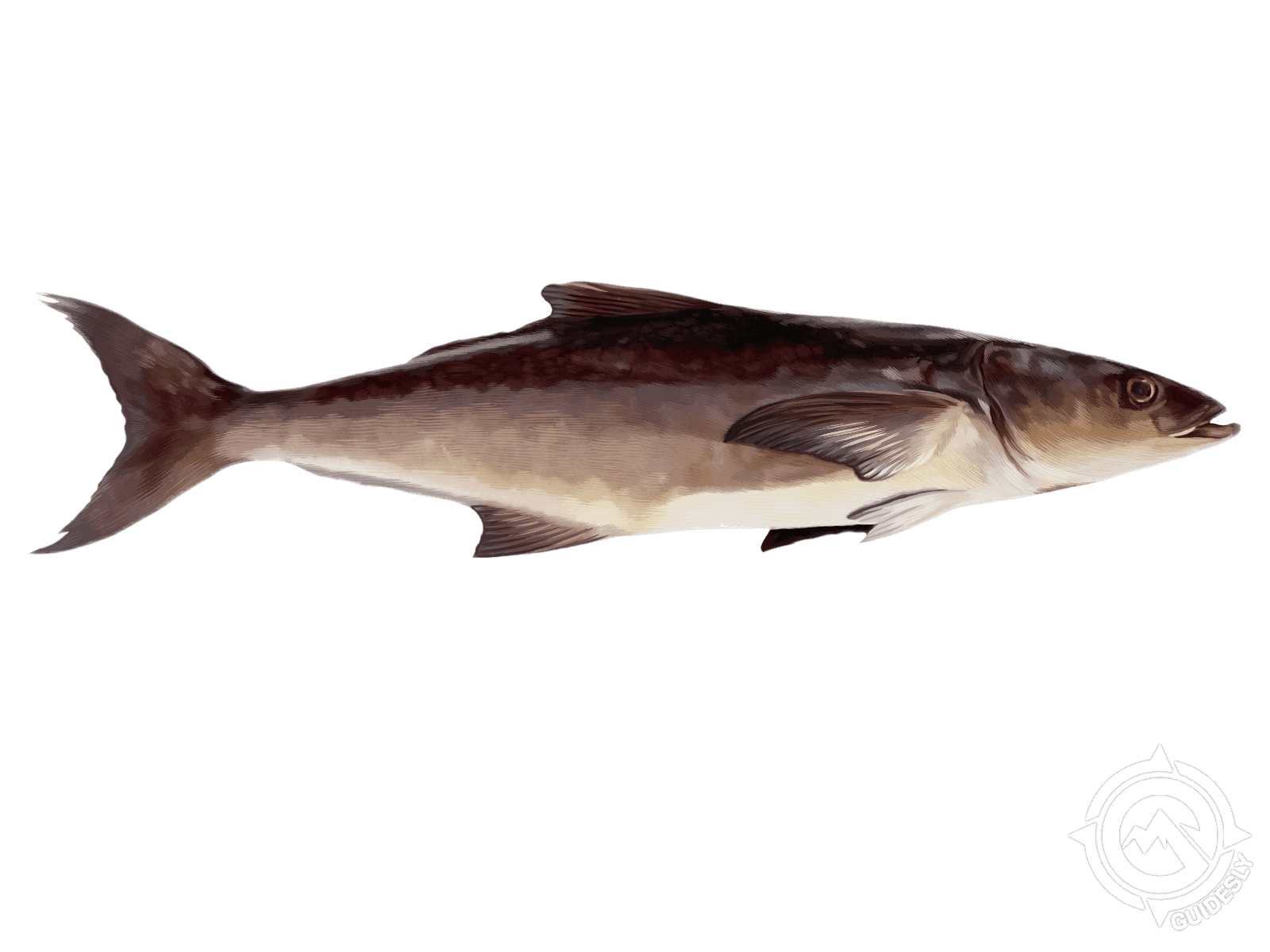
Cobia
Cobia are the "brown sharks" of Tampa Bay - big, dark fish that cruise near the surface and get your heart pumping when you spot one. They average 30-50 pounds but can hit 80+ pounds, making them serious trophy fish. You'll find them around channel markers, buoys, crab traps, and any floating structure in 15-50 feet of water. Spring migration from March through May is prime time when they're moving through on their way north. What makes cobia fishing special is the sight fishing aspect - spotting that dark shadow cruising just under the surface. They're also fantastic table fare, often called "poor man's salmon" for their firm, rich meat. Here's my approach: once you spot one, get ahead of it and drop a bucktail jig or live bait right in its path. Be ready - they hit hard and fight dirty.
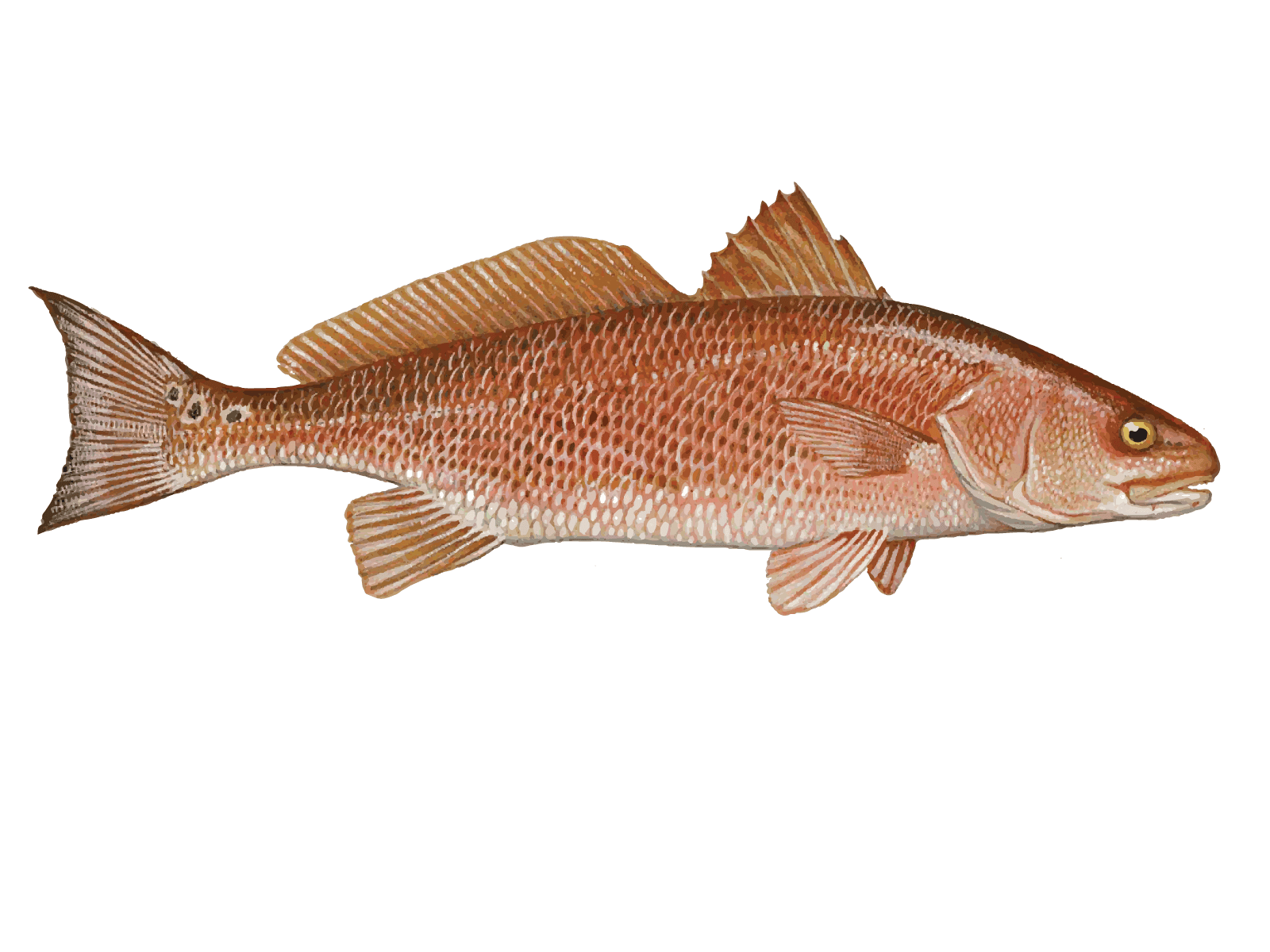
Redfish
Redfish are Tampa Bay's bulldogs - bronze-colored fish with distinctive black spots near their tails that'll give you a real workout. Most run 18-27 inches (slot size), but the big bulls can hit 40+ inches and 30+ pounds. Look for them in super shallow water - sometimes so shallow their backs stick out - around oyster bars, grass flats, and mangrove shorelines. They're year-round fish, but fall and spring offer the best action when they're most active. What makes reds special is their power and that famous "red drum" pull that'll test your drag. They're also excellent eating within the slot. My go-to technique: sight fish with topwater plugs or gold spoons in the morning. When you see that copper flash, make your cast ahead of where they're heading and work it slow.
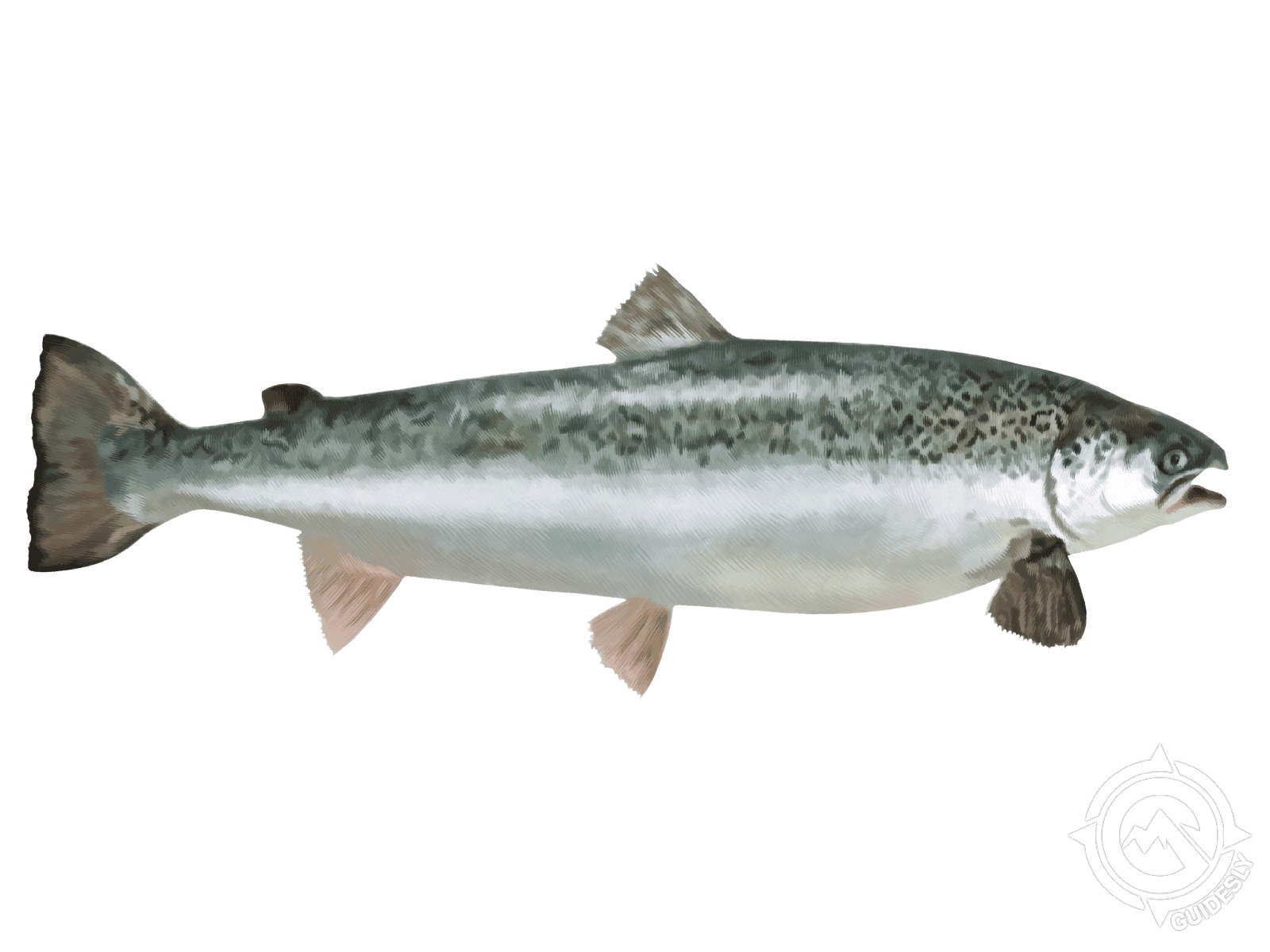
Sea Trout
Spotted sea trout, or "specks," are Tampa Bay's most reliable inshore fish. They typically run 12-18 inches and 1-3 pounds, with some bigger fish pushing 5-6 pounds during cooler months. You'll find them over grass flats, sandy bottoms, and around structure in 3-15 feet of water. They love areas where baitfish congregate. Fall through spring are peak seasons, especially when water temps drop and they school up in deeper channels and holes. Sea trout are perfect for families - they bite readily, don't require heavy tackle, and are forgiving to catch. They also make excellent table fare with mild, flaky white meat that's hard to mess up. Best tip I can share: work soft plastics or live shrimp slowly along the bottom. These fish have soft mouths, so don't horse them in or you'll tear the hook out.
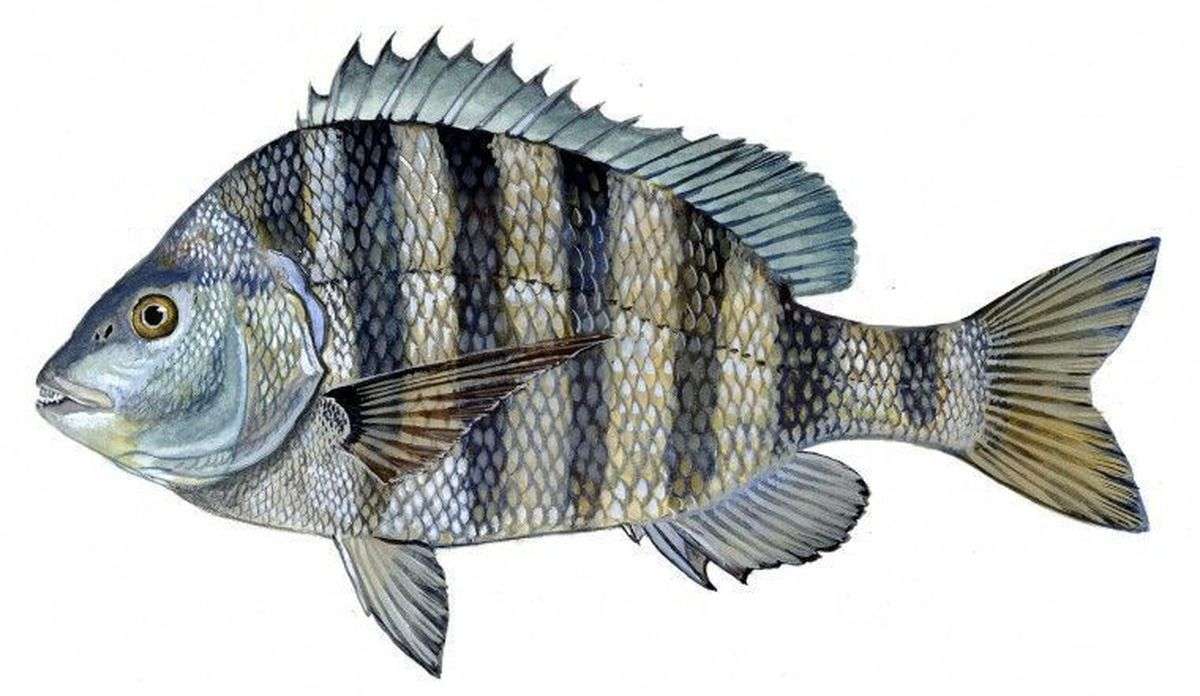
Sheepshead
Sheepshead are the "convict fish" of Tampa Bay with their black and white stripes and human-like teeth. Most weigh 2-6 pounds, though you might hook into a 15-pounder if you're lucky. They hang around any structure with barnacles - docks, bridges, pilings, and rock piles where they scrape off crustaceans with those weird teeth. Early spring through late fall are best, especially February through April when they're spawning around passes and deeper structures. Guests love the challenge because sheepshead are notorious bait thieves - they'll nibble and steal your shrimp before you know it. They're also some of the best eating fish in the bay with sweet, flaky white meat. Here's the trick: use a small hook with fresh shrimp and keep constant tension on your line. The second you feel weight, set that hook hard.
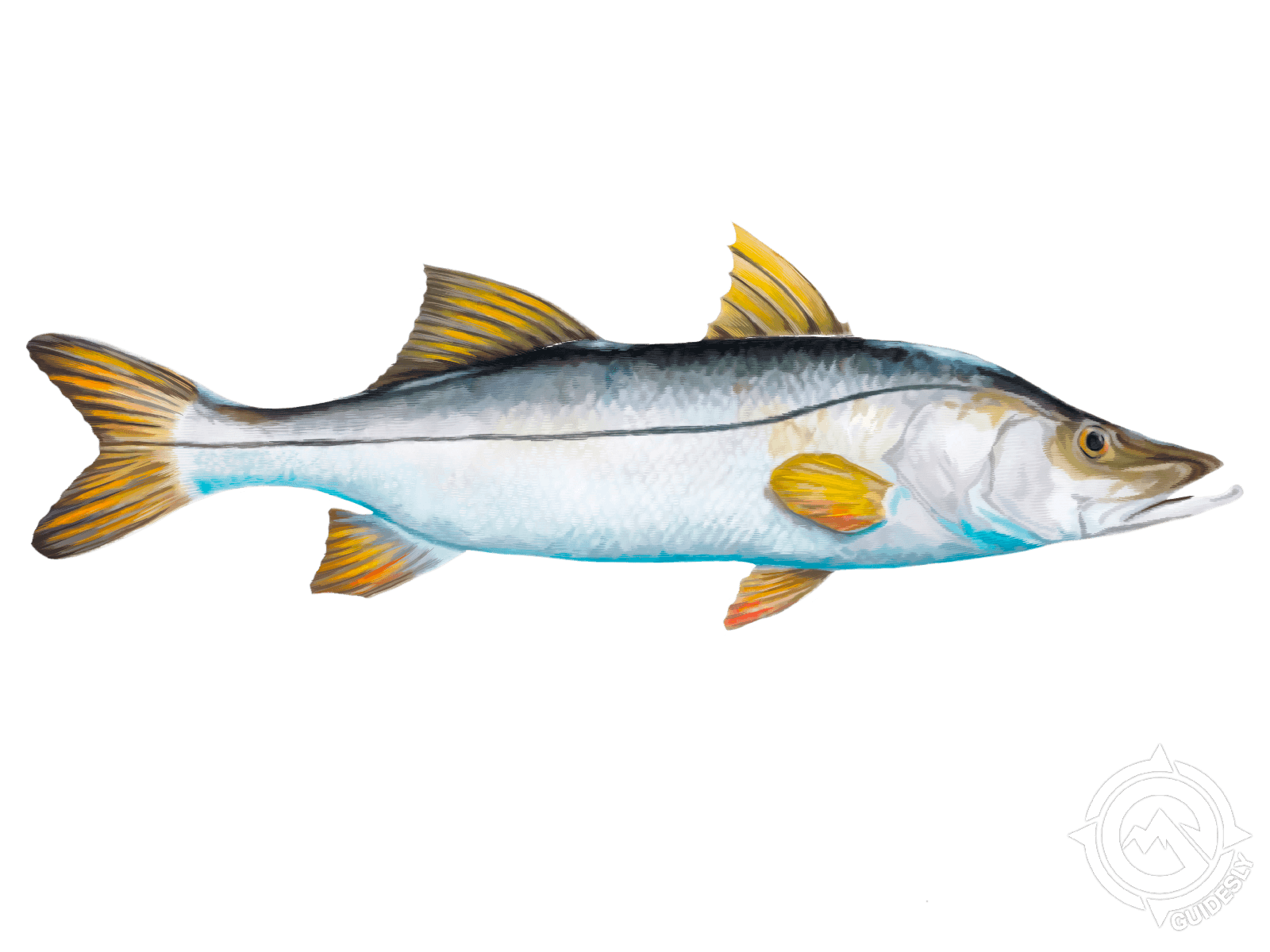
Snook
Snook are Tampa Bay's signature inshore gamefish - sleek, golden fish with that unmistakable black lateral line running down their sides. Most run 18-30 inches, but the bigger females can push 40+ inches and really put up a fight. You'll find them around mangroves, docks, bridges, and oyster bars in 2-10 feet of water. They love structure and ambush points where they can dart out to grab bait. Spring through fall are prime times, especially around dawn and dusk when they're actively feeding. What makes snook special is their aggressive strike and strong runs - they'll jump and thrash like crazy. Plus, they're fantastic eating with firm, white meat. My tip: cast your lure right up against the mangroves or pilings. Snook rarely chase bait far from cover, so get it tight to structure.
About the Sea Born
%2F%2Fusers%2Fd4053e6f-89e2-498c-87a5-8bf65fcc6ee4%2Fvehicle_picture%2F635e5cad-ab39-4247-8e06-35ed08ef4317.jpg&w=1920&q=75)
Vehicle Guest Capacity: 6
Manufacturer Name: yamaha
Maximum Cruising Speed: 40
Number of Engines: 1
Horsepower per Engine: 250